Conference and event photography in Regina: the shot list organizers forget
 Nirmesh Vadera
7 min read
In this guide
- Key takeaways
- Why does the brief matter more than the camera?
- What should you send your photographer a week before?
- What should be on the event shot list?
- What does a good photographer briefing look like?
- How can you set up the stage for better photos?
- What photos do sponsors want?
- When do the best event photos happen?
- How much coverage do you need?
- How do you cover a multi-day conference?
- What changes for hybrid and livestreamed events?
- How do you handle people who don't want photos?
- How do you get the event photos used?
- What are the most common event photo mistakes?
- Questions to ask an event photographer
- What else do organisers ask about event photos?
Key takeaways
- BriefSend the run sheet and a must-have list at least 1 week before.
- ExperienceNirmesh has photographed more than 500 events in India and Canada.
- CoverageHalf day, up to 4 hours, is $450; a one-day conference is $750 plus PST.
- DeliveryA preview set the next day and the full gallery in 3 to 7 business days.
- TimingShoot the empty room 30 to 60 minutes before the doors open.
This is for you if
- Conference, gala and fundraiser organisers in Regina
- Teams with sponsors to report back to
- Multi-day events that need daily previews
Not the right fit if
- Weddings and private parties
- Staff holiday parties
Most event photos never get used.
That isn't the photographer's fault, usually. It's the brief. Nobody told them the sponsor needed a photo with the CEO, or that the award winner was flying out at 9, or that next year's brochure needs one wide shot of a full room.
I've photographed more than 500 events in India and Canada: conferences, fundraisers, galas, festivals and government events. This is the shot list and briefing I wish every organiser sent me.
Why does the brief matter more than the camera?
When we read Google reviews of event photographers across Regina and four other Prairie cities in October 2026, the praise was rarely about the camera. It was about photographers who didn't get in the way but still caught the moments that mattered, and about photos clients kept using long after the event.
Both of those come from planning. A photographer who knows the run sheet is already standing in the right place when the speaker walks up.
What should you send your photographer a week before?
| Send | Why it matters |
|---|---|
| The run sheet, with times | So they're in position for speeches, awards and the group photo |
| The venue name and room | Lighting and layout change everything |
| Your "must-have" list | The 5 to 10 photos you can't do without |
| Names and photos of key people | Speakers, sponsors, VIPs, award winners |
| Where the photos will be used | Social tomorrow, or a printed report next year? |
| Your on-site contact | Someone who can point people out |
| Your photo notice plan | How guests know photos are being taken |
What should be on the event shot list?
Copy this, cross out what you don't need, and add what's specific to your event.
Before guests arrive
- The empty room, set up. One wide shot, lights on, every table dressed. You'll use this for the venue, next year's planning, and your sponsor report.
- Branding and signage. Banners, the stage backdrop, sponsor boards.
- Details. Name badges, table settings, gift bags, food.
Arrivals and registration
- Guests arriving and greeting each other. Real smiles, real handshakes.
- The registration desk with a queue. Shows the event was busy.
The program
- Every speaker at the podium. A few frames each, including one with the screen behind them if slides matter.
- The audience listening. One wide from the back, one from the side.
- Award moments. The handshake, the plaque, and the winner's reaction.
- Panels. The whole panel, then each person speaking.
Sponsors
- Each sponsor's banner or booth, with people at it. An empty booth photo isn't much use.
- Sponsor representatives with your leadership.
- Logos visible in the background of key photos. Sponsors notice.
People
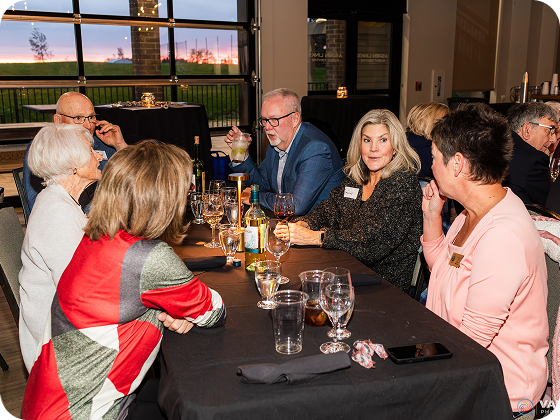
- Small groups talking. These are the photos that make the event look worth attending.
- Your team and volunteers. They worked hard. They'll want a photo.
- The full group photo, if there is one. Plan it early.
The room at its peak
- One wide shot when the room is fullest. This is the photo you'll use to sell next year's tickets.
What does a good photographer briefing look like?
Fill this in and send it to your photographer a week before. It takes 15 minutes and saves a lot of missed photos.
Event: [name]
Date and times: [setup time], [doors], [end]
Venue and room: [address, room name, parking/loading notes]
On-site contact: [name, mobile]
Run sheet: attached
Must-have photos: 1. [ ] 2. [ ] 3. [ ] 4. [ ] 5. [ ]
Key people: [names, roles, a photo of each if possible]
Sponsors to capture: [names, where their branding is]
Photo notice: [how guests are told, opt-out method]
Where photos will be used: [social next day / website / sponsor report / print]
Preview photos needed by: [date and time]
How can you set up the stage for better photos?
A few small changes make speaker photos much better:
- Light the speaker, not the screen. If the room is dark for slides, the speaker disappears. Ask the venue to keep a light on the podium.
- Keep the podium away from the screen. A speaker in front of a bright projector screen photographs as a silhouette.
- Put sponsor branding behind the speaker, not to the side. Then it's in every speaker photo.
- Leave a clear path for the photographer. Along one side of the room, not blocked by tables.
- Plan the award handover spot. Facing the audience, not facing the screen.
What photos do sponsors want?
| Sponsor level | Photos to plan |
|---|---|
| Title or presenting sponsor | Their speaker on stage, their logo on the main backdrop, their team with your leadership |
| Major sponsors | Their booth or banner with guests, their representatives with attendees |
| Supporting sponsors | Their logo visible in at least one wide shot |
Send the photographer this list. Then you can send each sponsor a short report with their photos a week later.
When do the best event photos happen?
| Part of the event | What to plan |
|---|---|
| 30–60 minutes before doors | Room, branding and details, while it's empty and tidy |
| First 30 minutes after doors | Arrivals, greetings, the registration queue |
| Opening remarks | Audience wide shot, speaker close-ups |
| Awards and main program | Handshakes and reactions |
| Breaks | Networking, sponsor booths with people |
| Peak attendance | The full-room wide shot |
If your budget only covers part of the event, cover the first half. The second half usually has fewer people and less going on.
How much coverage do you need?
| Event | Coverage | My price (CAD, plus PST) |
|---|---|---|
| Breakfast talk, launch, or short reception | Up to 4 hours | $450 (half day) |
| One-day conference or AGM | Full day | $750 |
| Multi-day conference | A day rate per day | Ask for a quote |
You get a preview set the next day, so you can post while the event is still news. The full gallery comes in 3 to 7 business days. Prices are on my pricing page.
How do you cover a multi-day conference?
For events that run two or three days, a few things change:
- You don't need every session covered. Pick the keynotes, the main networking breaks, and the awards or closing. Skip breakout rooms unless a sponsor needs them.
- Ask for previews each evening. Then you can post daily while the conference is running.
- Plan one big group photo, usually on the first day, when attendance is highest.
- Think about a headshot station. Attendees love getting a free professional headshot, and sponsors can brand it. It also keeps people at your event longer. I'm writing a separate guide on how this works.
What changes for hybrid and livestreamed events?
If part of your audience is online, tell the photographer. They'll avoid standing between the stage and the streaming camera, and keep the shutter quiet during recorded talks. A silent shutter is worth asking about for any event with live audio.
How do you handle people who don't want photos?
At any event, some people would rather not be photographed. Plan for it.
These are common, simple practices:
- Say it in the invitation and at registration. "Photos will be taken at this event and may be used on our website and social media."
- Put a small sign at the entrance. People who missed the email see it there.
- Give people a way to opt out. A different coloured lanyard, a sticker on the badge, or a word with the photographer.
- Be extra careful with children. Get permission from a parent before using any photo of a child.
This isn't legal advice, and the rules depend on who you are and where the event is. If you're unsure, ask your privacy officer. But a clear notice and an easy opt-out solve most problems before they start.
How do you get the event photos used?
The photos are only worth something if they get used. Here's a simple plan:
| When | Use |
|---|---|
| Next day | 5–10 preview photos on LinkedIn and Instagram. Tag speakers and sponsors. |
| Within a week | Thank-you email to attendees with a gallery link |
| Within 2 weeks | Sponsor report with their photos |
| Within a month | Update your website's events page |
| Next year | Ticket sales, sponsor decks, the event page |
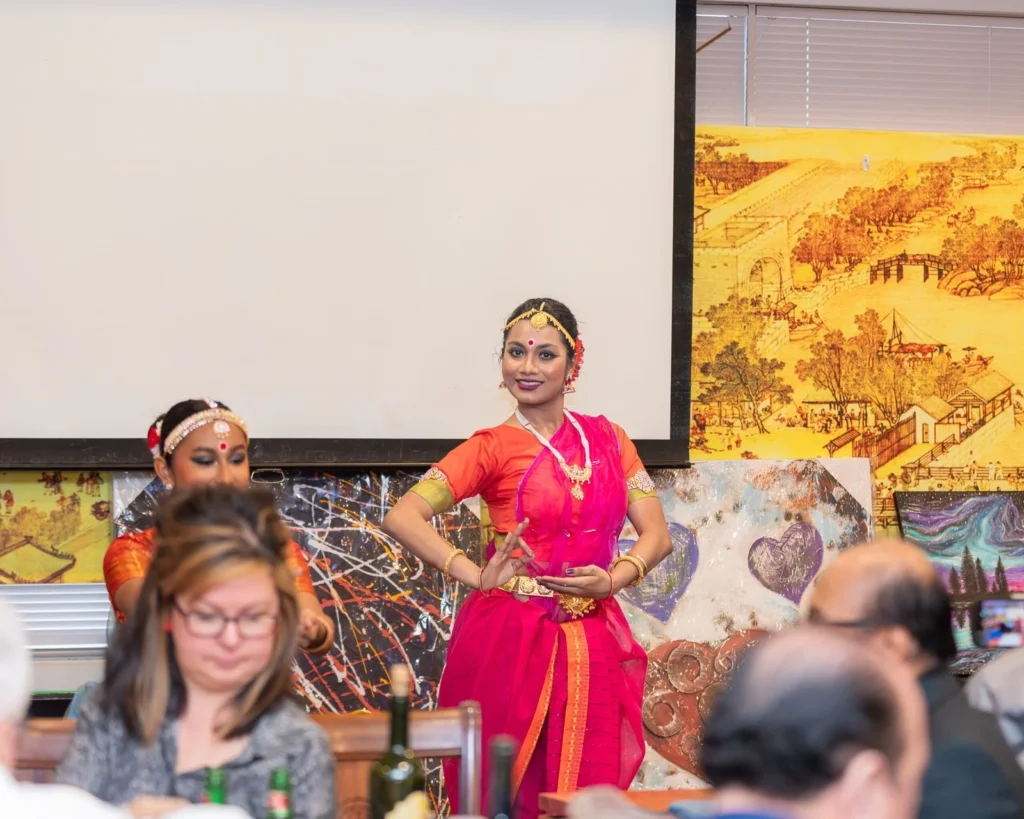
At community fundraisers and galas, the photos that get used most are usually the speakers, the full room, and guests talking to each other. That's where I spend most of my time on the night. The details and decorations get covered before doors open, while the room is still empty.
What are the most common event photo mistakes?
- No run sheet. The photographer guesses when the important moments are.
- Booking too little time. Coverage that ends before the awards.
- Forgetting the empty room. You only get one chance before doors open.
- No group photo plan. By the time someone thinks of it, half the people have left.
- Not telling guests. Then someone is upset to find themselves on social media.
- Waiting weeks to post. Event photos are most useful in the first few days.
Questions to ask an event photographer
- Have you shot an event of this size and type before? Can I see a full gallery?
- When will we get preview photos, and the full gallery?
- Do you bring lighting for dim venues?
- How do you handle guests who don't want to be photographed?
- Can we use the photos for marketing, sponsors and next year's event?
If you're planning a staff party rather than a conference, my guide to holiday party photography covers what's different.
What else do organisers ask about event photos?
How much does an event photographer cost in Regina?
With me, half-day coverage (up to 4 hours) is $450 and a full day is $750, plus PST.
How fast do we get event photos?
A preview set the next day for social media, and the full gallery in 3 to 7 business days.
What should I send my event photographer?
The run sheet, the venue, a must-have shot list, names of key people, and where the photos will be used.
How many photos do we get from an event?
It depends on the length and the program. Ask for a rough number in your quote.
Sources
- Vadera Photography review research, October 2026: Google reviews of photography businesses in Regina, Saskatoon, Winnipeg, Calgary and Edmonton.
- Vadera Photography prices, from the pricing page, October 2026
- Vadera Photography event experience, from the About page, October 2026